Tooting Broadway rubbish removal guide for SW17 flats
Posted on 27/07/2026
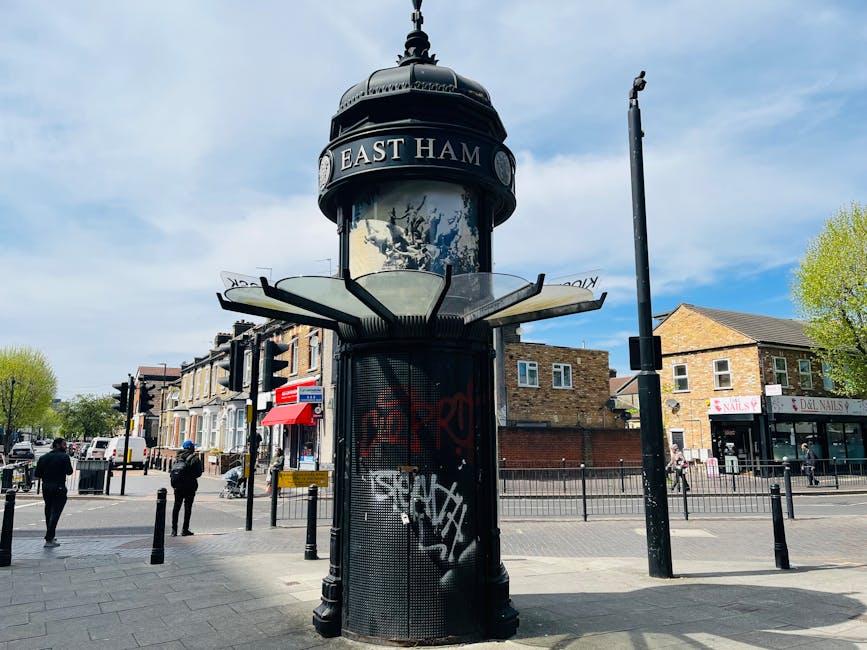
Living in a flat near Tooting Broadway has plenty going for it: good transport, busy high street energy, and a pace of life that suits London well. But rubbish removal? That can get awkward fast. Narrow stairwells, shared entrances, busy pavement outside, parking restrictions, and that one broken wardrobe you meant to deal with last month... it all adds up.
This Tooting Broadway rubbish removal guide for SW17 flats is written to help you handle the practical side without turning it into a weekend-long headache. Whether you are clearing out after a move, shifting old furniture, dealing with landlord handover prep, or just trying to reclaim space in a compact flat, the best approach is the one that is safe, tidy, and realistic for flat living.
In the sections below, you will find a step-by-step plan, common mistakes to avoid, comparison points for different removal methods, and a checklist you can use before anything leaves the building. We will also touch on local considerations that matter around Tooting Broadway, from access issues to sensible recycling habits. No fluff. Just the stuff that helps.
- Why rubbish removal matters in SW17 flats
- How rubbish removal works in practice
- Key benefits and practical advantages
- Who needs this and when it makes sense
- Step-by-step guidance
- Expert tips for better results
- Common mistakes to avoid
- Tools, resources and recommendations
- Law, compliance, standards and best practice
- Options, methods and comparison table
- Case study or real-world example
- Practical checklist
- Conclusion
- Frequently asked questions
Why Tooting Broadway rubbish removal guide for SW17 flats Matters
Flat rubbish removal is not the same as clearing a house driveway. In SW17, you often have shared hallways, limited bin storage, and neighbours who very quickly notice if bags are left in the wrong place. That is just the reality of London flat life, fair enough.
Tooting Broadway sits in a busy, mixed residential area where flats can range from period conversions to modern blocks and compact rentals. That variety matters because the way you remove waste needs to fit the building, the lease, and the timing. A two-person lift job on a top-floor flat is one thing; a sofa dragged down a tight staircase with a narrow landing is another entirely.
The guide matters for a few practical reasons:
- Space is limited in most flats, so rubbish builds up quickly.
- Access can be awkward, especially in older buildings with stairs and no lift.
- Shared spaces need respect, because mess in communal areas causes complaints fast.
- Correct disposal saves time, especially when items must be separated or loaded carefully.
There is also a trust angle. If you are hiring help, you want the job done properly and in line with normal UK waste-handling expectations. That is where choosing a known local service and understanding the basics really pays off.
For readers looking more broadly at local services, the services overview is a useful starting point, especially if your flat clearance overlaps with furniture removal, mixed waste, or a larger tidy-up.
How Tooting Broadway rubbish removal guide for SW17 flats Works
At its simplest, rubbish removal from a flat follows a fairly predictable pattern: assess, sort, carry, load, dispose, and tidy up. The trick is making each part work in a building with shared access and limited room.
Most people run into trouble before the removal team even arrives. Bags are mixed with reusable items. Furniture is not measured. The lift is forgotten. The neighbour's car is parked in the only sensible loading spot. Then everyone gets frustrated. You know the drill.
A smoother process usually looks like this:
- Identify the waste types first: general rubbish, furniture, appliances, garden cuttings, builders' debris, or office-style waste from a home workspace.
- Check access: stairs, lift, parking, entry codes, concierge rules, and any time restrictions.
- Separate what stays from what goes so valuable or reusable items are not accidentally removed.
- Choose the right removal method depending on volume, weight, and urgency.
- Book a suitable time window to reduce disruption to neighbours and building management.
- Make the route clear so removal is safe and efficient from flat to vehicle.
- Confirm what happens next: recycling, donation where appropriate, and final disposal.
If you are dealing with a broader property clear-out, not just a few bin bags, the dedicated house clearance Tooting service may be more suitable than a one-off uplift. For builders' rubble, broken tiles, plasterboard, and renovation leftovers, the builders' waste disposal in Tooting page is the more relevant option.
Truth be told, the best removals are the boring ones. No drama, no blocked hallways, no guessing. Just a clear plan and a clean finish.
Key Benefits and Practical Advantages
There are real advantages to handling rubbish removal well in a flat, and they go beyond having a tidier living room. A good process can save time, lower stress, and stop small issues from becoming building-wide annoyances.
Here is what tends to matter most:
- Faster clearance when items are already sorted and access is prepared.
- Less physical strain, especially if heavy items need to come down stairs.
- Reduced risk of damage to walls, bannisters, flooring, and lift interiors.
- Cleaner communal areas, which is always appreciated in shared buildings.
- Better recycling outcomes when materials are separated properly.
- More predictable costs when the job is clearly described from the start.
There is a quieter benefit too: peace of mind. If you have ever stared at a stack of unwanted furniture in a narrow flat hallway and wondered how it all got there in the first place, you will know exactly what that means.
Local residents who are weighing up a move, sale, or rental refresh may also find it useful to read about successful property sales in Tooting. A clean, uncluttered flat can make a very real difference when it comes to presentation.
Who This Is For and When It Makes Sense
This guide is for anyone living in, managing, or preparing a flat in SW17 around Tooting Broadway. That includes tenants, landlords, letting agents, leaseholders, homeowners, and even people helping a relative sort out a compact home.
It makes sense in situations like these:
- End of tenancy and you need the flat cleared before inventory check-out.
- Pre-sale preparation where clutter is making rooms feel smaller.
- After a refurbishment with packaging, offcuts, and old fittings.
- Following a downsizing move when too much furniture does not fit the new space.
- Shared flat clear-outs where everyone has left a few things behind. That old "I thought it was yours" problem.
- Home working setups where broken desks, paper waste, or bulky office items need clearing.
It is also relevant if you simply live in a smaller flat and want a reset. Sometimes rubbish removal is not about a major event. It is just a way of getting your space back before it starts affecting daily life. You can feel that difference immediately when the spare chair stops being a storage rack.
If your needs lean more toward ongoing collections rather than a one-off clearance, rubbish collection in Tooting may be the better fit. For bigger, mixed-load jobs, waste removal in Tooting is often the more flexible route.
Step-by-Step Guidance
Here is the most practical way to approach rubbish removal in a Tooting Broadway flat without making it harder than it needs to be.
- Walk the flat and list everything
Write down bulky items, loose waste, and anything that might need special handling. A quick notes app list is usually enough. - Sort into clear groups
Use simple categories: keep, donate, recycle, remove, and maybe. "Maybe" is the dangerous one, to be fair, so keep it small. - Measure large pieces
Sofas, wardrobes, mattresses, desks, and white goods can be awkward through stairwells. A tape measure avoids nasty surprises. - Check the building rules
Some flats have quiet hours, lift padding rules, or booking requirements for large moves. If you are not sure, ask the managing agent or landlord. - Clear a route to the exit
Move lamps, shoes, boxes, and fragile bits out of the way before removal starts. A clear hallway saves time and a few bruises. - Label what must stay
Especially in shared flats. A label on a box is better than an argument later. - Book the right service
Match the method to the waste type. Builders' debris, for example, should not be handled the same way as old bedroom furniture. - Prepare the collection point
If loading from the street or a ground-floor access point, make sure the route is as short and safe as possible. - Do a final sweep
Check cupboards, under beds, balcony corners, and that one cupboard you forgot about. There is always one.
For flats with outdoor space or balcony planters, do not forget green waste. If branches, soil bags, or old pots are part of the job, garden waste removal in Tooting can be more appropriate than a general collection.
And if you are dealing with mixed flat contents after a move-out or probate-related tidy-up, a broader house clearance Tooting option may save you from splitting the job into three separate visits. Sometimes simplicity wins.
Expert Tips for Better Results
A few small decisions can make the whole job much smoother. This is where experience really matters, because flat clearances are often won or lost in the details.
- Take photos before booking if you can. Even rough pictures help estimate the amount of waste and any access constraints.
- Bundle similar items together. A stack of cardboard is easier to handle than loose flat-pack chaos scattered through the room.
- Keep doors protected with blankets or temporary padding if the route is tight.
- Plan around the building rhythm. Morning may suit some blocks better than late afternoon when people are returning home.
- Ask about recycling separation. It is often simpler to separate clean materials in the flat than to sort them later.
- Leave a little buffer time. London access can be efficient one minute and oddly slow the next. It happens.
There is also a judgement call on what you should not try to move alone. A chest of drawers with a dodgy foot, a heavy fridge-freezer, or a saturated mattress can be more trouble than they are worth. You do not get points for suffering through it.
Expert summary: the safest and cleanest flat clearances in Tooting Broadway are usually the ones planned around access, item weight, and building rules before anyone lifts a thing.
If you want to understand how a professional team organises services around different job types, the services overview is a sensible reference point.

Common Mistakes to Avoid
Most flat rubbish removal problems come from rushing or guessing. It is rarely more complicated than that.
- Leaving sorting until the last minute. This usually leads to mixed loads and wasted time.
- Ignoring access issues. A sofa that fits the room may still fail at the stairwell corner. Annoying, but common.
- Forgetting building rules. Some blocks are strict about loading, lift use, or timing.
- Overfilling bags. Heavy bags split, which is no one's idea of a good afternoon.
- Assuming everything can be dumped together. Different materials may need different handling.
- Not protecting communal areas. Scraped paint or muddy floors can cause avoidable disputes.
- Underestimating how much there is. One room can hide a surprising amount of waste when you start pulling it out properly.
A small, real-world example: a tenant clears a flat in a rush on a Sunday morning and realises the lift is booked for a different move. Suddenly the whole plan changes. The job can still be done, but the stress level jumps. A bit of checking upfront saves all that.
And yes, occasionally the broken chair in the corner has become part of the decor. Happens more often than people admit.
Tools, Resources and Recommendations
You do not need fancy equipment for most flat clearances, but the right basics make a big difference. Here is what helps most.
| Tool or resource | Why it helps | Best for |
|---|---|---|
| Tape measure | Checks furniture dimensions against stairwells, lifts, and doors | Bulky items, awkward access |
| Strong gloves | Improves grip and reduces cuts from broken edges | Bag handling, mixed waste |
| Sturdy sacks or boxes | Makes sorting and moving easier | Small rubbish, recyclables, textiles |
| Labels or marker pen | Keeps items clearly separated | Shared flats, multi-room jobs |
| Blankets or corner protection | Helps protect walls, doors, and furniture paths | Narrow hallways and staircases |
When choosing a service, look for clear communication, realistic pricing, and a sensible explanation of what happens to the waste. A professional team should be able to explain the process without making it sound like rocket science.
If your flat clearance overlaps with office-style items, papers, or old desks from a home workspace, the office clearance Tooting page may also be relevant. For a quick introduction to how the wider business approaches different jobs, about us is worth a look.
For anyone thinking ahead about how materials are handled and diverted where possible, the recycling and sustainability page gives a useful sense of the company's general approach.
Law, Compliance, Standards, or Best Practice
Waste removal in the UK is not something you want to treat casually. You do not need to become a compliance expert just to clear a flat, but it helps to understand the basic expectations.
At a practical level, responsible waste removal should follow the usual standards around legal disposal, safe handling, and accurate sorting. That means waste should not be fly-tipped, left in common areas, or treated as if everything can go in one mixed pile. It also means choosing a provider that understands safe lifting, proper loading, and environmentally sensible disposal methods.
For flats, there is another layer: building rules and neighbourly consideration. Even where there is no formal restriction, good practice usually means:
- keeping communal areas tidy
- avoiding obstruction of entrances and stairways
- not leaving loose rubbish outside the block
- using safe lifting methods for heavy or sharp items
- separating reusable and recyclable items where practical
Insurance and safety also matter. If something is carried through a tight stairwell and gets damaged, or if a worker is injured because an item was not handled properly, everyone has a worse day. That is why it helps to check how a company approaches safety and liability. The insurance and safety page is useful context here.
There is no need to overcomplicate this. Just aim for clean, safe, lawful disposal and a process that respects the building. That alone puts you ahead of a lot of rushed flat clear-outs.
Options, Methods, or Comparison Table
Different flat clearances call for different methods. The best option depends on volume, access, urgency, and whether the waste is mixed or fairly simple.
| Method | Best for | Pros | Watch out for |
|---|---|---|---|
| Self-removal | Small amounts of bagged waste | Cheap if you already have transport | Time, lifting effort, multiple trips |
| Man-and-van style collection | Moderate volumes and mixed items | Flexible and convenient | Access needs to be clear in advance |
| Full flat clearance | End-of-tenancy or major declutter jobs | Fast, tidy, less stressful | Requires accurate item listing |
| Specialist builders' waste removal | Renovation debris and heavy rubble | Suited to construction leftovers | Not ideal for general household clutter |
| Ongoing rubbish collection | Regular smaller disposals | Good for steady waste flow | May not suit one-off bulk jobs |
In simple terms: if it is a few bags, keep it simple. If it is bulky furniture, mixed household waste, or a flat that needs resetting from top to bottom, a fuller service is usually less painful and often more efficient overall.
Case Study or Real-World Example
Imagine a second-floor SW17 flat just off Tooting Broadway. The tenant has moved out, leaving a mattress, a small wardrobe, a chipped coffee table, several bin bags, and an old fan. The building has a narrow stairwell and a shared entrance used by several flats.
If this is handled casually, it quickly becomes awkward. The mattress blocks the hallway. Someone has to keep opening the front door. The wardrobe catches on the stair bend. Neighbours start peeking out. Not ideal.
A better approach is straightforward:
- the items are photographed and listed first
- the route from flat to exit is cleared
- the mattress and wardrobe are measured before collection
- the team arrives at a time that avoids peak foot traffic
- items are removed with minimum disturbance to the building
- the flat is left clear and ready for final cleaning
That kind of job is less about brute force and more about planning. The result is calmer, cleaner, and a lot less embarrassing in a building where everyone knows everyone's parcel habits anyway.
If the flat is part of a property going back on the market, it can help to read is Tooting a suitable home for you and Tooting property investment strategies for broader local context. Those pieces are not about rubbish removal directly, but they do show why presentation and practicality matter around here.
Practical Checklist
Use this before the collection or clearance starts.
- Sort items into keep, donate, recycle, and remove.
- Measure large furniture and appliances.
- Confirm lift access, stair access, and any entry codes.
- Check building rules about moving items and loading.
- Protect floors, walls, and tight corners where needed.
- Bag loose waste securely and avoid overfilling.
- Separate anything reusable or valuable.
- Make sure bins and communal areas are not blocked.
- Keep pets and children away from the removal route.
- Do a final sweep of cupboards, balcony space, and under furniture.
Quick takeaway: if you prepare the route and sort the waste before collection day, the whole process becomes simpler, safer, and usually quicker than you expected.
Get a free quote today and see how much you can save.
Conclusion
Flat rubbish removal in Tooting Broadway does not need to be a big ordeal. The best results usually come from a bit of planning, the right service for the right type of waste, and a sensible approach to access and building rules. Keep it tidy, keep it safe, and do not leave everything until the last minute. That last part matters more than people think.
Whether you are clearing out after a move, handling refurbishment waste, or just getting on top of the clutter that quietly grows in a compact SW17 flat, a methodical approach makes life easier. And honestly, that fresh, open feeling once the space is clear? Hard to beat. A small reset can make the whole flat breathe again.
For a broader sense of local service options and what to expect, you may also want to explore pricing and quotes, along with the company's terms and conditions and privacy policy if you are comparing providers carefully. That kind of diligence is rarely wasted.


Copyright © . House Clearance Tooting. All Rights Reserved.